Lump Sum Investing: The Math, Risks, and Real Returns
Discover how lump sum investing compares to dollar-cost averaging. We break down the historical data, behavioral risks, and real-world examples

Daniel Anderson
Editor, The Money Maniac
October 7, 2026
12 min read

A large cash windfall creates a strangely common mistake. People who would happily invest every paycheck often freeze when the money arrives all at once, then wait for a “better” market. That sounds prudent, but waiting is still an investment decision. Your cash earns whatever cash earns while you hope for a correction, and nobody knows when the correction will arrive.
Lump sum investing is less about predicting tomorrow's market and more about deciding when already-available capital should enter your chosen portfolio. The math generally favors earlier exposure. The human challenge is surviving the emotional discomfort that comes with putting a large amount to work at once.
The Reality of Sudden Capital
The popular advice says to keep a windfall in cash until the market feels safe. That advice has one obvious flaw: markets never send a written invitation when the safe moment arrives. Prices can fall after you invest, but they can also rise while you wait. A decision framed as “protecting the money” can become an indefinite bet against investment exposure.
Lump sum investing means placing your investable capital into the asset allocation you've already chosen. If your plan calls for diversified stock and bond funds, the question is how quickly to reach that allocation, not which headline will predict the next move. You're making a portfolio decision, not auditioning for a television market-timing segment.
Cash has a job before investing
Cash isn't automatically a mistake. It belongs in an emergency reserve, a tax account, and money needed for spending that's close enough to matter. Before investing a windfall, build a clear reserve using a practical framework such as this guide to building an emergency fund fast.
The mistake is treating every dollar as if it has the same purpose. A reserve for a near-term bill should stay liquid. Long-term capital intended for retirement or future wealth creation has a different job, and leaving it uninvested because markets feel unsettling can create an opportunity cost.
Practical rule: Protect money because you need it soon, not because the financial news sounds alarming.
Broad equity markets have historically produced positive returns more often than negative returns, which gives money invested earlier a better chance to participate in growth. That history doesn't eliminate short-term losses. A lump sum invested immediately before a sharp decline can lose value quickly, and that experience can test even a sensible plan.
The useful question is therefore simple: how much of this cash is investable, and can you remain invested through an ugly period? If the answer is yes, delaying deployment requires a reason stronger than vague discomfort.
What the Historical Data Actually Shows
The mathematical case for immediate deployment is straightforward. Money invested in a risky portfolio gains exposure to its expected return sooner. Money held in cash or cash-like assets remains outside the target portfolio, earning a lower expected return while the investor waits for a more attractive entry point.
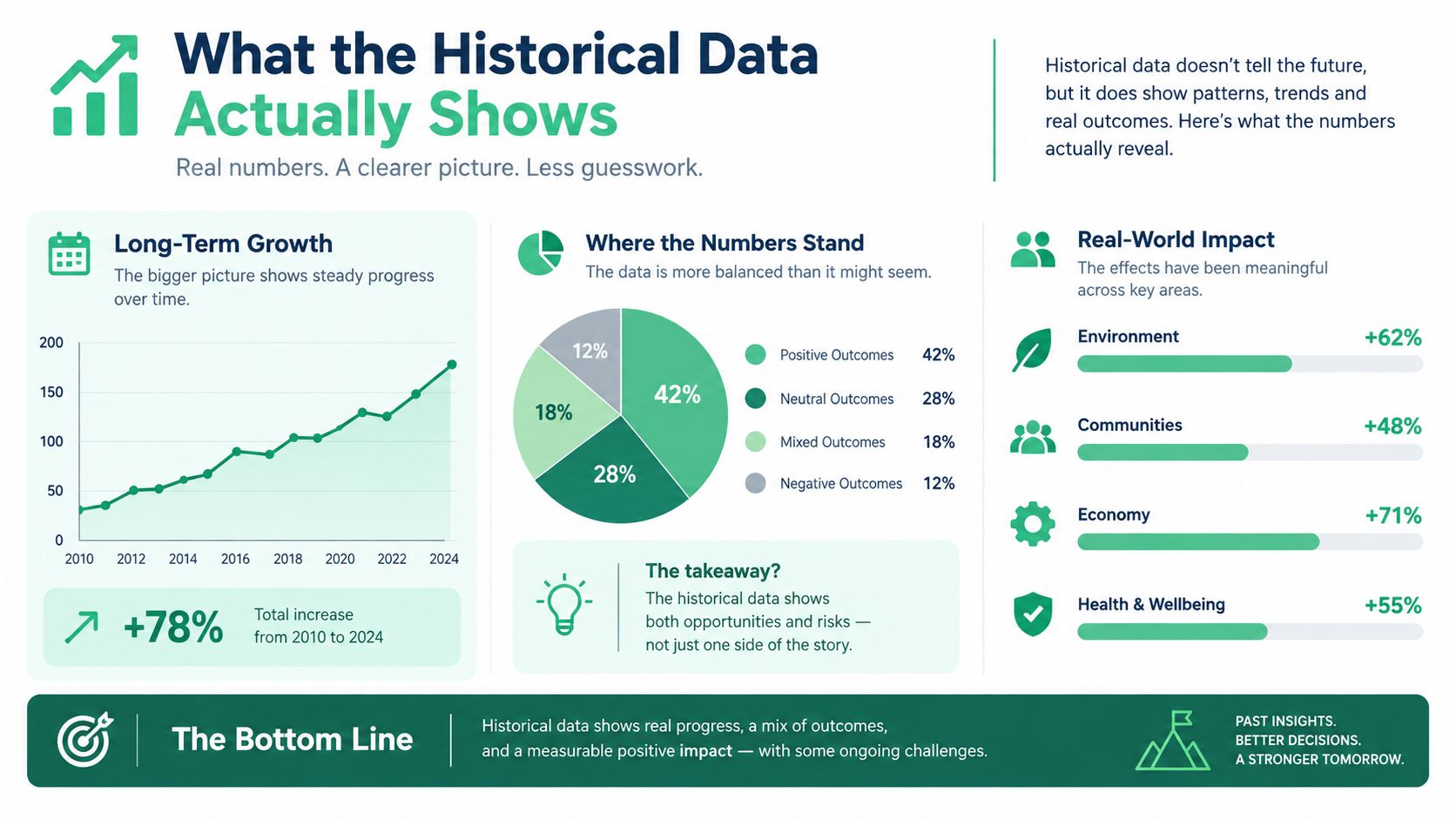
One large study examined rolling one-year periods from 1976 through 2022, comparing immediate investment with spreading the same capital across three months. It covered broad equity markets in the United States, United Kingdom, Canada, and Europe, using market histories from different starting dates through 2022. Immediate investment produced the better result in between 61.6% and 73.7% of rolling periods, depending on the market examined, as detailed in Vanguard's cost-averaging analysis.
The opportunity cost of waiting
A separate comparison using a global equity proxy found that the median one-year return for a 100% equity portfolio was higher when the money entered the market immediately rather than through a three-month schedule. The historical advantage measured 2.2 percentage points higher for immediate investment. That result is not a promise about your next year. It captures outcomes across many periods, including periods in which immediate deployment suffered an early decline.
The mechanics are clear. A staged strategy leaves part of the capital outside the target portfolio during the deployment window. If prices rise, the investor buys fewer shares than an immediate investor would have owned. If prices fall, later purchases secure lower prices. Staging can improve the entry price after a decline, while immediate investment gives more capital time in the market during a rise.
That trade-off applies only to money genuinely available for long-term investment. Cash reserved for taxes, emergencies, or near-term spending should not be forced into equities to chase a historical advantage. The relevant question is how much capital can accept market volatility without creating a forced sale or disrupting an important obligation.
Use an S&P 500 return calculator to test different contributions and time horizons. Treat the output as a way to examine assumptions, not as a prediction.
Probability beats prediction
Immediate investment has the stronger historical probability because markets have generally rewarded time spent in the portfolio. The next month, quarter, or year can still deliver a sharp loss, especially after an unlucky entry point.
The decision should therefore focus on the job assigned to the money. For capital with a long horizon and a suitable asset allocation, immediate exposure usually offers the stronger expected-return case. For capital needed soon, preserving liquidity matters more than optimizing historical market exposure.
The Price of Emotional Comfort
The mathematically weaker choice can be the better personal choice if the stronger one causes you to panic. Dollar-cost averaging earns its place by reducing the emotional shock of investing a windfall at once. It divides the capital into scheduled purchases, making a temporary market decline easier to tolerate.
The trade-off is measurable. Money waiting for its next purchase does not participate in the target portfolio's expected risk premium. Dollar-cost averaging is a risk-management and behavior tool, not a return-enhancement strategy. You are paying for emotional comfort with time out of the market and potentially lower returns.
The behavioral trade-off
Research covering more than 1,000 overlapping seven-year periods found that lump sum investing produced higher annualized returns than dollar-cost averaging in more than 56% of cases. The same comparison recognizes that staged investing can suit investors with substantial loss aversion or periods when expected investment returns are relatively compressed, as explained in Morgan Stanley's comparison of dollar-cost averaging and lump sum investing.
Those results settle the mathematical question, not the behavioral one. An investor who invests everything, sees an immediate loss, sells in fear, and stays out of the market can finish worse than an investor who staged purchases and followed the plan. Expected return matters only if you remain invested long enough to receive it.
The cheapest strategy on paper becomes expensive when it makes you abandon the plan.
Treat staged investing as a deliberate cost for reducing emotional pressure. The cost is the return you might have earned while part of the capital sat in cash. The benefit is a greater chance that you will keep executing instead of turning a temporary decline into a permanent loss.
Use rules, not mood
If immediate deployment feels psychologically impossible, set a short, fixed schedule before investing the first dollar. Use equal purchases, automate them, and forbid yourself from extending the schedule because of each new market headline. A schedule that keeps moving its finish line is market timing with calendar reminders.
A middle path can work for loss-averse investors. Invest a meaningful portion promptly, then deploy the remainder on predetermined dates. This will not maximize expected return, but it can reduce the emotional cost enough to keep the overall strategy intact.
Choose the strategy your behavior can support, then remove improvisation from the process. Comfort has a price. Pay it knowingly, and never let it become an excuse for indefinite delay.
Defining Your True Investable Amount
The standard lump sum debate often starts with the wrong figure. A bonus, inheritance, business-sale proceeds, or account rollover may look like one large balance, but the entire amount may not be available for long-term investing.
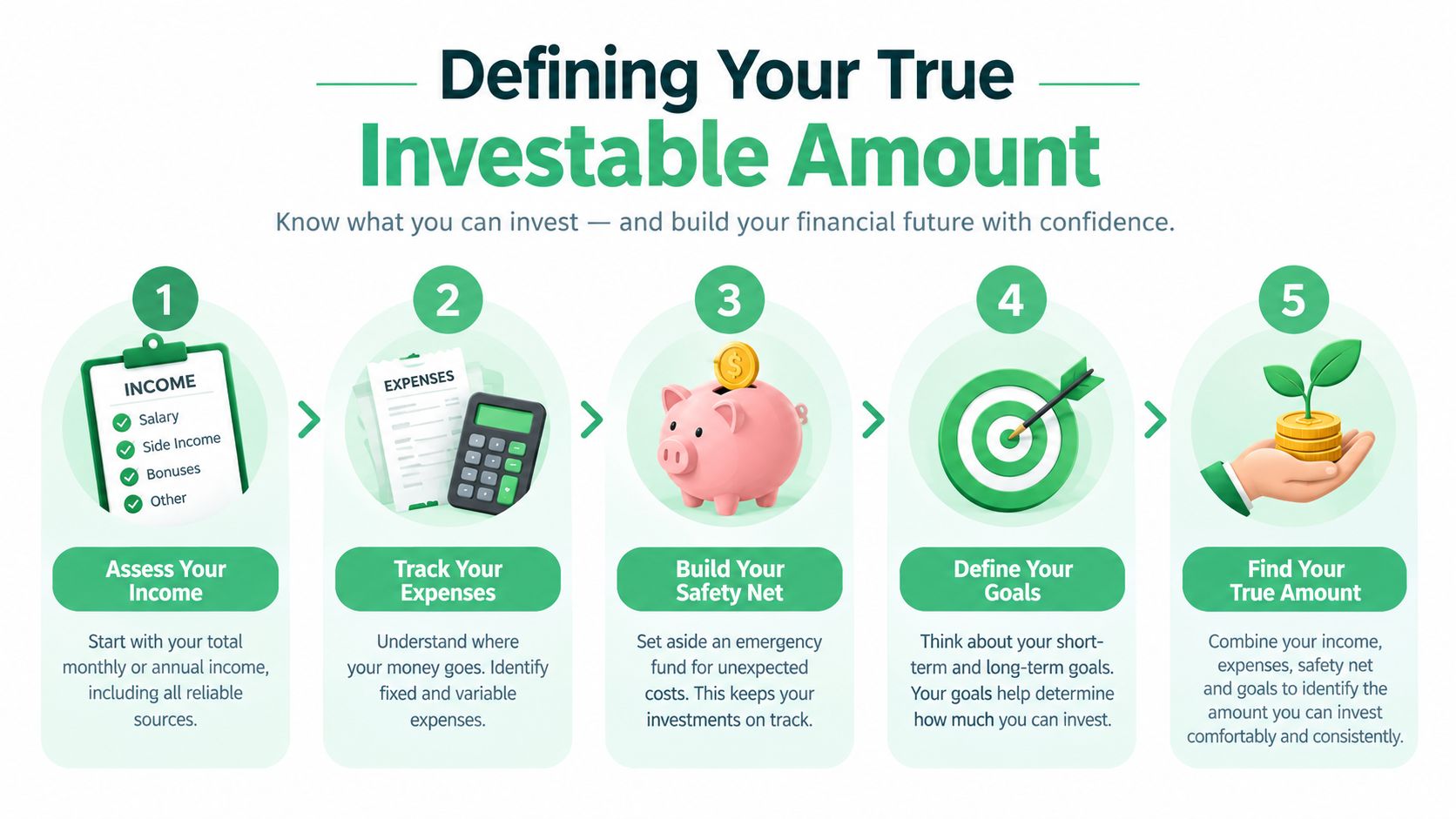
Start by separating obligations from opportunities. The amount left after near-term claims is your true investable lump sum, and only that amount should be compared across deployment strategies.
Filter the cash in order
-
Set aside taxes and required obligations. Some windfalls create tax liabilities, withholding issues, or filing complexity. Keep the amount needed for those obligations separate until you've confirmed the treatment with a qualified tax professional.
-
Address expensive debt. Paying down high-interest debt can offer a more certain financial benefit than taking market risk. The exact decision depends on the interest rate, liquidity needs, and terms, but debt repayment belongs in the analysis before you label every dollar “investment capital.”
-
Protect emergency liquidity. Keep a reserve for income disruption, medical costs, repairs, and other expenses that cannot wait for a favorable market. Investment accounts can fall precisely when you need them.
-
Reserve near-term spending. A down payment, tuition bill, relocation cost, or planned purchase has a short time horizon. Money assigned to that goal should not depend on stock prices cooperating.
-
Invest the remainder. Only after the previous buckets are funded should you decide between immediate deployment and staged purchases.
Account location changes the decision
A taxable brokerage account and a retirement account don't create the same tax questions. Selling appreciated investments in a taxable account may create capital-gains consequences, while a rollover from a former employer plan can involve distribution, withholding, and account-transfer decisions. Country-specific rules also matter, so generic internet advice cannot settle every case.
The practical point is easy to miss: the investable amount is a financial planning result, not just the balance shown on a bank statement. Guidance on how much to invest each month can help put the windfall alongside regular contributions and ongoing cash needs.
Once the amount is defined, identify the target allocation before choosing a deployment schedule. If you haven't decided how much risk the portfolio should take, investing faster won't fix the underlying problem.
Matching the Strategy to Your Risk Profile
The mathematically strongest strategy is useless if its first drawdown makes you sell. After identifying the true investable amount, match the deployment schedule to your time horizon, target allocation, and likely behavior.
| Investor Profile | Time Horizon | Recommended Strategy | Primary Risk |
|---|---|---|---|
| Comfortable with volatility and committed to a diversified allocation | Long term | Immediate deployment | Selling after an early decline |
| Moderately loss-averse but able to follow rules | Long term | Short, automated staging period | Leaving purchases incomplete |
| Highly sensitive to losses or approaching a major spending need | Shorter or uncertain | Carefully staged deployment, with appropriate liquidity | Holding too much risk-bearing capital |
| Unsure about the target allocation | Any horizon | Resolve the allocation before deployment | Investing without a coherent plan |
Match the schedule to your likely behavior
Immediate deployment fits money with a long horizon, a settled allocation, and an investor who can tolerate an immediate decline without changing course. This only applies to capital genuinely available for long-term use. Near-term obligations belong outside the decision.
A staged plan fits an investor who knows a sharp early loss could trigger panic selling. Regulatory guidance describes gradual investing as one way to limit losses during significant declines, while also noting that it may produce lower returns over longer periods and that repeated transactions can increase fees where commissions or spreads apply. The comparison of dollar-cost averaging versus immediate investing helps frame that trade-off without disguising its cost: cash remains uninvested while the schedule runs.
Set the exit from cash in advance. A deployment window needs a start date, purchase dates, and a final date.
A short rules-based window, such as three to six months, can reduce emotional pressure without allowing caution to become a permanent allocation to cash. Automate every purchase. Do not pause because markets rise or accelerate because markets fall, unless your written investment policy requires that change.
The test is completion. A staged plan that finishes on schedule can be better for an anxious investor than an immediate strategy abandoned after the first loss. A plan that leaves a large balance in cash indefinitely is not risk control. It is an unplanned market-timing decision.
For a practical explanation of the mechanics, this guide to DCA vs lump sum investing explains how the approaches differ. Choose the schedule before investing, write down the rules, and judge the strategy by whether you can follow it through a difficult market.
Real-World Scenarios and Worked Examples
The right deployment strategy depends on where the money came from. A bonus, inheritance, and retirement rollover may each create a large balance, but they involve different obligations, account rules, and emotional pressures. Separate money that must serve a near-term purpose from capital intended for long-term investment before deciding how quickly to invest.
A corporate bonus in a taxable account
Suppose a bonus has arrived in a taxable brokerage account and you have confirmed the amount available for investing. With an emergency reserve funded, no expensive debt requiring repayment, and a long investment horizon, investing the money promptly in your target allocation has the stronger mathematical case.
Your behavior still determines whether that advantage survives. If a sharp correction would make you sell the new investment, use a short automated schedule instead of forcing an all-at-once decision. Set the purchase dates before the first transaction. Do not rewrite the plan after a frightening headline or a sudden market decline.
An inheritance with estate questions
An inheritance may involve taxes, administrative delays, property, existing investments, or obligations shared with other beneficiaries. Keep the amount required for those matters outside the investment decision until the estate and tax questions are clear. Assess the remaining capital separately as money intended for the long term.
Inherited money can also carry more emotional weight than earned savings. That attachment may make a temporary loss feel unacceptable, even when the portfolio remains appropriate. A staged schedule can make sense if it prevents a panic sale. Leaving the money uninvested indefinitely creates an unintended cash allocation.
A retirement rollover
A rollover from a former employer plan requires attention to the account type and transfer mechanics before you compare deployment speeds. The money may remain in a tax-advantaged retirement structure, but that does not eliminate allocation risk. You still need a portfolio suited to your time horizon and ability to tolerate losses.
A hypothetical $1 million invested in a 60% equity and 40% bond portfolio produced an average 10-year ending value of $2,450,264 with lump sum investing, compared with $2,395,824 when invested gradually over 12 months, in one cost-averaging study. The example shows the opportunity cost of keeping part of the portfolio in cash during the staging period. It does not predict any investor's result.
Allocation changes the outcome. A balanced portfolio will not behave like an all-stock portfolio, and personal results can differ because of taxes, fees, market sequence, and purchase dates. Use historical comparisons to understand the trade-off, then choose the strategy you can follow without abandoning it during a difficult market.
The Final Verdict and Your Next Steps
The math points in one direction. If you have a long horizon, a defined asset allocation, and the ability to tolerate short-term volatility, investing the true lump sum promptly is usually the better choice. Money that sits in cash cannot earn the expected return of the portfolio you intend to own.
Behavior still matters. If immediate deployment would make you panic and sell, use a short, automated staging period. Paying a modest expected-return cost for a plan you can follow is preferable to choosing the mathematically optimal strategy and abandoning it at the first bad stretch.
Make the decision executable
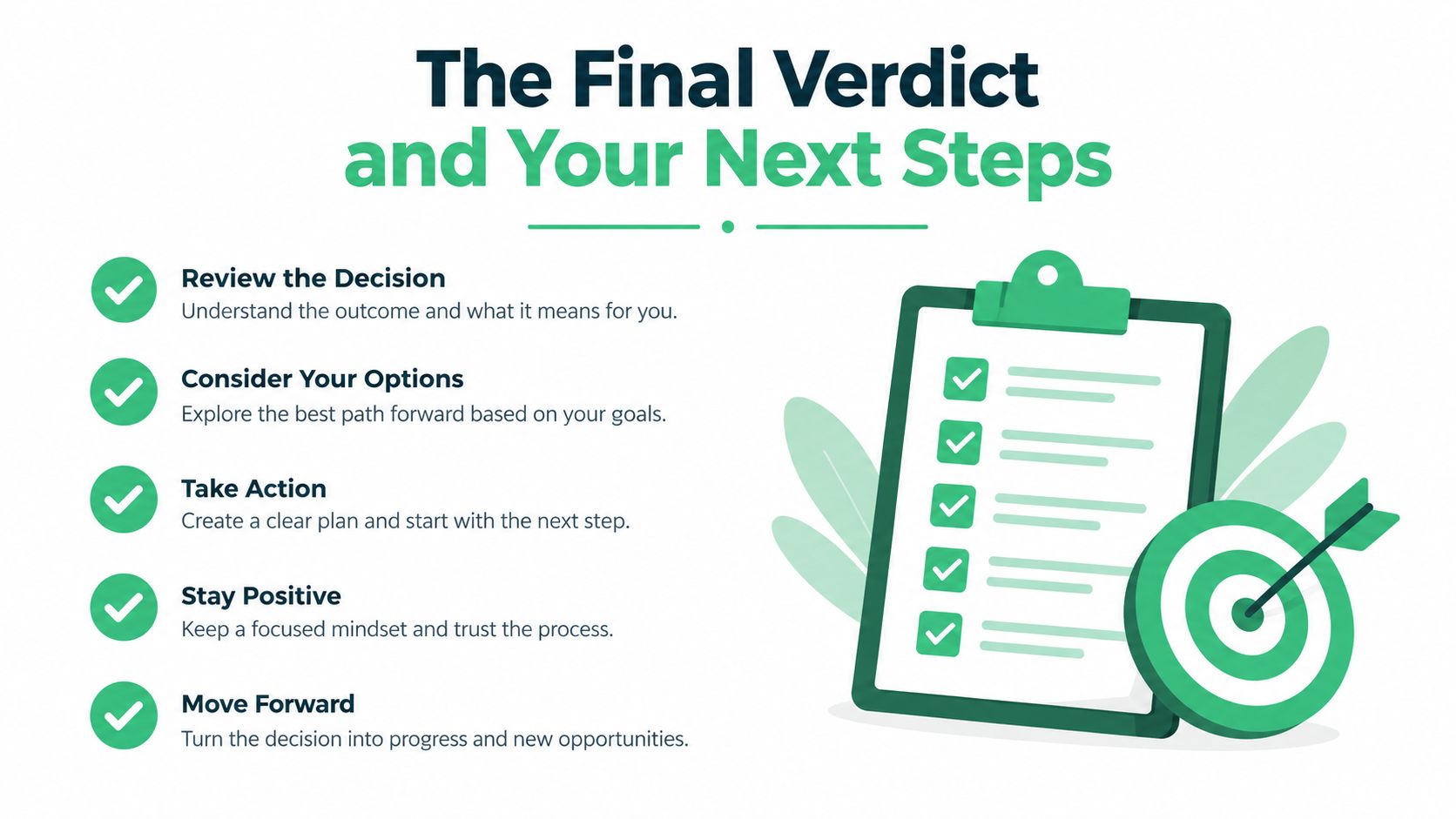
- Calculate the investable amount: Remove taxes, high-interest debt, emergency reserves, and near-term spending needs.
- Choose the allocation: Decide the stock, bond, and cash mix before moving the money.
- Select the schedule: Invest immediately if you can stay invested, or set a short automated window if staging protects your discipline.
- Separate investing from legal questions: Get qualified help for complicated inheritance, rollover, or tax matters.
- Stop revisiting the decision: Once the rules are set, follow them through ordinary market volatility.
If your windfall may be better suited to an income product or you're reviewing an existing annuity issue, a resource on Kons Law annuities recovery can provide useful context before you commit capital.
Your next move should be practical, not dramatic. Identify the portion of the cash that belongs in a long-term portfolio, write down your allocation and deployment date, and automate the purchases if you're staging them. The difficult part is rarely finding a clever entry point. It's following a sensible plan after the market reminds you that risk is real.
Get more posts like this
One short, useful email each Friday. Free, no spam, unsubscribe anytime.